
Issue 02 / Partnerships and labor
MLB's Labor Deadline Is a Reason to Review the Partnership, Not Predict Lost Games
The date is a labor-contract deadline. It is not, by itself, a lockout announcement or a cancellation notice.
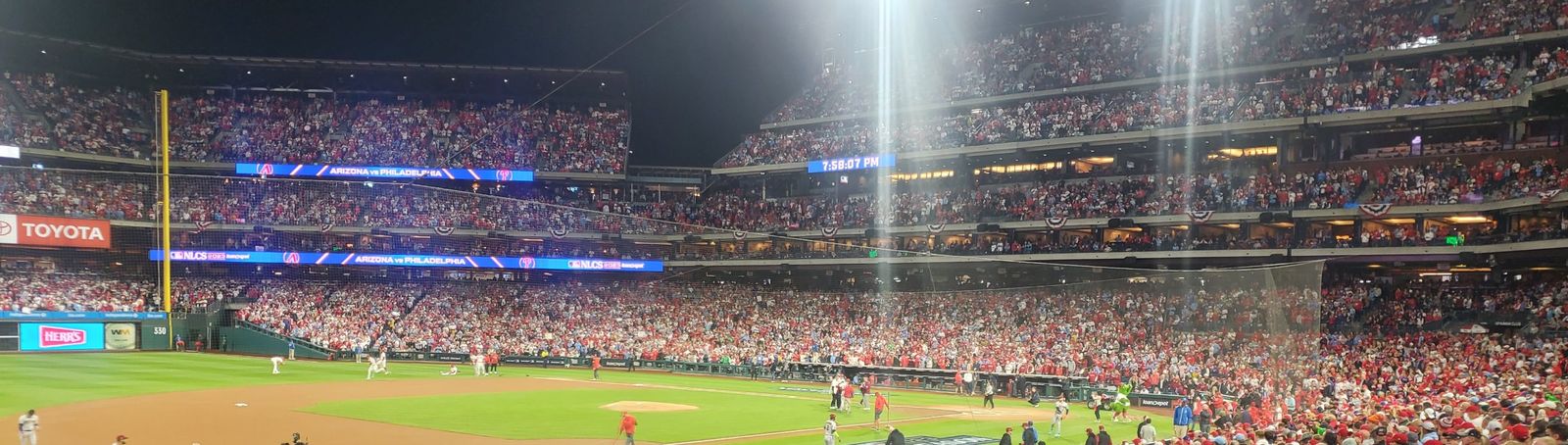
MLB's current Basic Agreement expires December 1, 2026, at 11:59 p.m. Eastern Time. That is 9:59 p.m. America/Phoenix. The date is a labor-contract deadline. It is not, by itself, a lockout announcement or a cancellation notice.
The distinction matters if your business has a baseball partnership or helps deliver one. You can prepare now without telling a partner that games are already lost or that an invoice automatically stops being payable.
What is known today
Article XXVI of the MLBPA-hosted 2022-2026 Basic Agreement supplies the expiration date and time. MLB's latest bargaining report located for this note describes a November 3 session and a revised proposal to introduce a salary cap and floor in 2028. Those are proposed terms, not a new agreement.
Sports Business Journal's November 6 reporting says the sides remain at odds and describes a lockout as likely, not already underway. The November 5 NBC Sports Philadelphia tracker says a lockout would not immediately cancel games. No source reviewed establishes that a 2026 lockout has begun or that 2027 games have been canceled because of it.
Expiration, an employer-imposed lockout, a worker strike, and lost games are different events. Keep them separate in partner communications and planning assumptions.
Start with the agreement, then the inventory
Put the actual sponsorship agreement beside the delivery calendar. Ask counsel and the account owners to identify the provisions that might apply to a labor stoppage, notice requirements, payment timing, and any replacement or dispute process. The labor agreement does not establish the sponsor's contractual remedies.
Next, separate inventory that depends on games from inventory whose delivery needs individual review. In-game signage exposure, ticket hospitality and scheduled game-day promotions face different delivery questions from an existing digital placement or a community activity. Do not label the second group guaranteed to continue. Player participation, intellectual-property permissions, access and production dependencies may still matter.
Record what has already been delivered. Use that record as the starting point for reviewing what remains.
Review payments and replacement approvals separately
An undelivered activation and a payment due date are related business issues, but they are not necessarily the same contractual trigger. Check each rather than assuming either an automatic refund or a right to withhold payment.
Build separate scenarios for a short offseason interruption and a disruption that reaches scheduled games. These are planning cases, not forecasts. For each, identify the next decision date and the person responsible for resolving it. Avoid assigning a financial value to unavailable inventory until the parties have reviewed the agreement and the relevant delivery records.
If replacement inventory is discussed, write down who must approve it, what it replaces, when it can run, and how both sides will document delivery. A proposed make-good is not a completed remedy. Seek agreement rather than silently substituting a different asset.
Consider restart value separately from missed delivery
From Carlton Hawkins's brand-side experience.
As a brand-side buyer, I used disruption as leverage to seek additional partnership assets when the season restarted. My concern was that fans might take time to return and that early exposure could be weaker. That was my negotiating judgment, not a measured finding about how every fan base responds.
Replacing missed inventory and negotiating additional restart value are different conversations. The first concerns what was promised and not delivered. The second concerns whether the parties can agree on added value for the restart. Neither creates an automatic entitlement to extra assets. Any proposed additions still need agreement, clear delivery terms and documented approval.
Keep one shared delivery timeline
A planning practice, not an MLB requirement.
Build a shared timeline of expected partnership assets and activations. For each item, record its delivery date or window, an accountable owner on each side, dependencies, notice and vendor deadlines, the next check-in and the point when a contingency decision is needed. Include related media, event, hospitality and talent commitments; their change provisions may differ from the sponsorship agreement.
Use clear tracking states: confirmed, at risk, or replacement agreed. These describe the current planning position, not contractual guarantees or automatic remedies. Record approvals for any agreed replacement. Review each asset's dependencies rather than assuming every asset stops during a lockout.
Set the next check-in around the actual next commitment deadline, early enough to make a useful decision. Increase the frequency as deadlines approach or verified developments change the delivery outlook. As the season nears, review league and union operational updates and dated reporting, not rumors. Note the source and date, then update the timeline and unresolved decisions together.
Editorial conclusion
The immediate task is preparation. Know what was promised, what depends on games, and who can authorize a change. That is more useful to a partner than treating a possible lockout as a settled outcome.
Vantage Business Consulting works with teams, colleges, and venues on revenue questions.
See how Vantage helpsSources
- Major League Baseball Players Association, 2022-2026 Basic Agreement, Article XXVI. Official PDF · MLBPA CBA resource page
- Mark Feinsand, "MLB increases cap and floor in latest proposal, sets 2028 target," MLB.com, posted November 3, 2026, 7:33 p.m. ET (shown as November 4 in some time zones). Read on MLB.com
- Mike Mazzeo, "Fehr: MLB players face familiar PR challenges in looming labor fight," Sports Business Journal, November 6, 2026. Read on Sports Business Journal
- Cole Weintraub, "MLB lockout tracker: CBA talks and Phillies impact," NBC Sports Philadelphia, published November 5, 2026 (last updated November 4). Read on NBC Sports Philadelphia
- Ronald Blum, "Major League Baseball sues players' union, asking court to declare lockout legal," Associated Press, November 25, 2026. Read via Bleacher Report
Spotted something we should fix? [email protected]