
Issue 04 / Partnerships and relationships
When a Partnership Starts to Feel Like a Team
A partnership can be more than a collection of places where your brand appears.
Start with trust
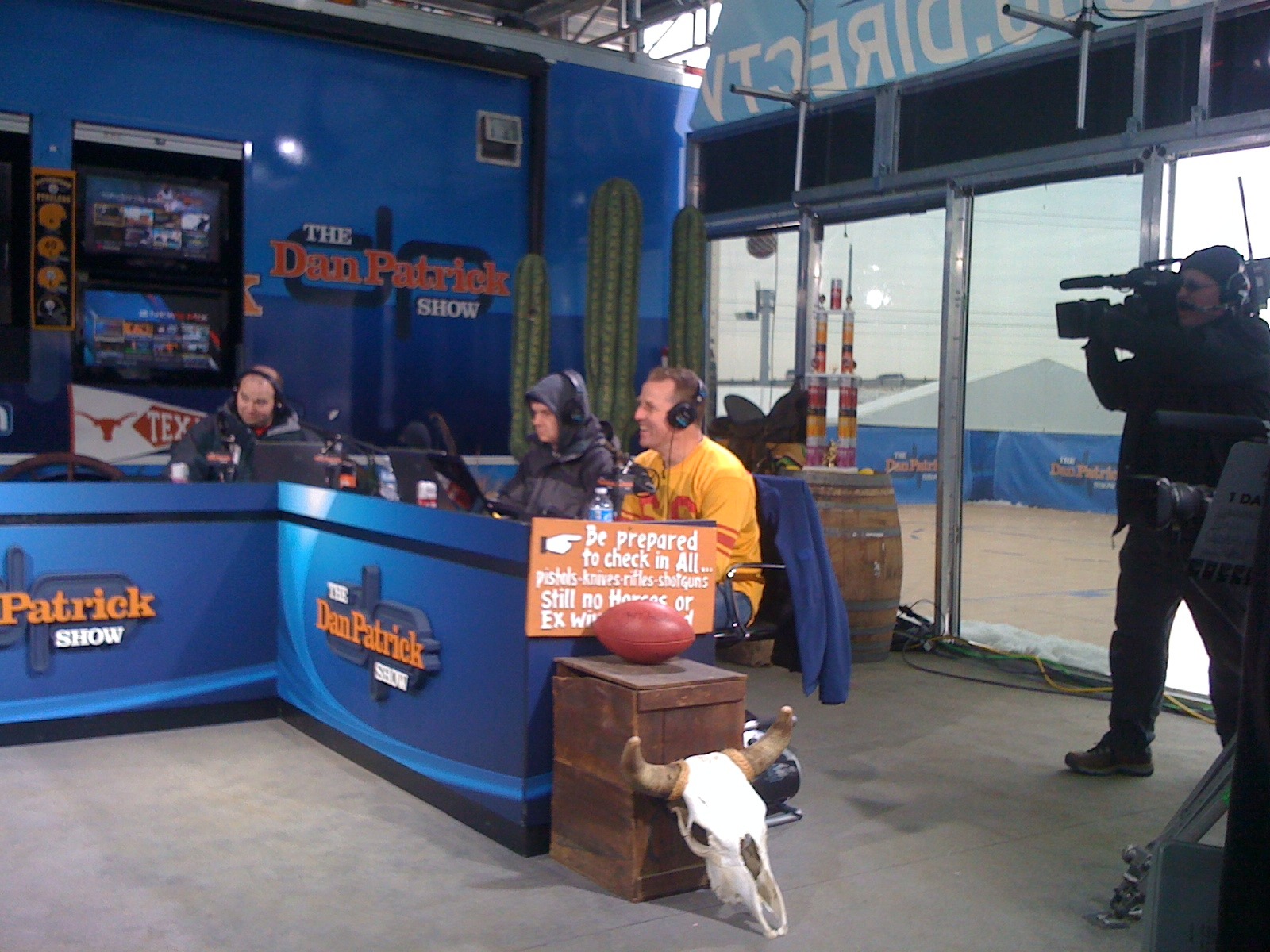
At FRS, our partnership with The Dan Patrick Show started with trust. What stands out to me is how we worked together. We trusted the show to know its audience, and we listened to its suggestions about how to connect with those people.
That matters because a partnership can be more than a collection of places where your brand appears. The property can become part of your brand team. Its understanding of the audience belongs in the conversation, alongside your understanding of the product and the business.
I attribute our strong run with the show to that working relationship. That is my assessment of the experience, not a measured claim that trust alone produced a particular result.
Integration was a working relationship
Our intended audience was young men, ages 18 to 29, who saw themselves as athletes, whether or not they played organized sports. The show's national reach and repeated FRS presence gave us a way to show up in a setting that fit that self-image.
FRS was always present. The integration felt organic, and the show's co-stars participated in activations. The relationship was about more than displaying the product. Collaboration helped make the brand part of the experience.
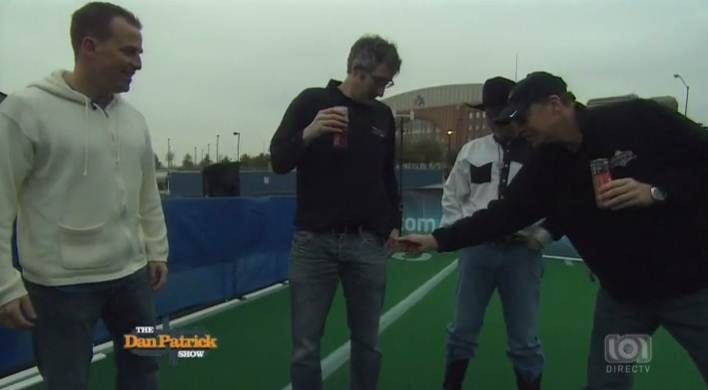
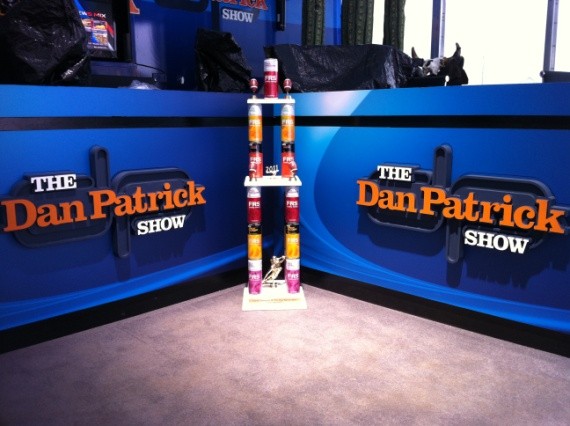
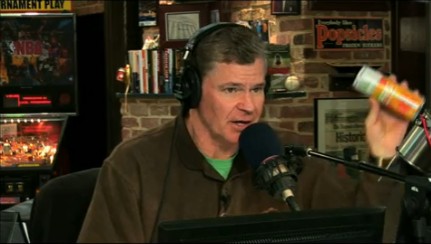
Dan would ask me to get Tim Tebow on the show, and I remember Tebow appearing. That is a concrete part of how I remember the working relationship: the show brought ideas and requests to me, rather than the partnership existing only as a placement on a list.
For me, the lesson is to listen. The property knows the people who come back to it. Its suggestions deserve attention if you want an engaged relationship rather than simply a visible logo.
What I took from the experience
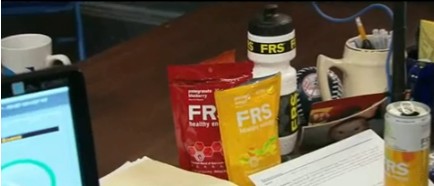
My recollection is that the association made FRS seem like a larger brand. We heard people asking for FRS at national retail. I saw those as encouraging signs, although they were observations, not a measured account of sales attributable to the partnership.
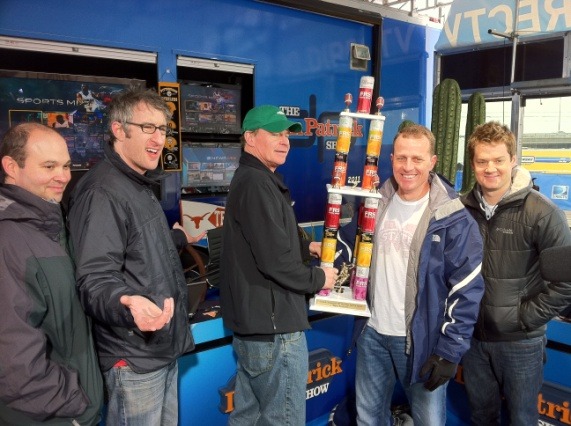

I remember favorable pricing early in the show's independent period. I wanted to sustain the relationship for two to three years, but we could not afford another year while expansion was straining resources. Looking back, continuity needed resources as well as a relationship worth continuing.
That funding lesson matters. It sits behind the central one: trust the property's knowledge of its audience and give collaboration room to work.
Put the relationship to work
Bring a clear audience and brand objective to the property, then ask for its perspective. What does it understand about its audience that should shape the integration? Listen before deciding every detail yourself.
Treat suggestions as the start of a working conversation. Discuss how an idea fits the brand, what it asks of each side, and what can realistically be delivered. A request is an opportunity to collaborate, not a promise that an appearance or activation will happen.
Evaluate the relationship as well as the inventory. Can both sides contribute ideas and speak plainly about what will work? Repeated exposure gives a brand opportunities to be present. A trusted working relationship helps decide what to do with those opportunities.
Vantage Business Consulting works with teams, colleges, and venues on revenue questions.
See how Vantage helpsSpotted something we should fix? [email protected]